Health
Quick facts
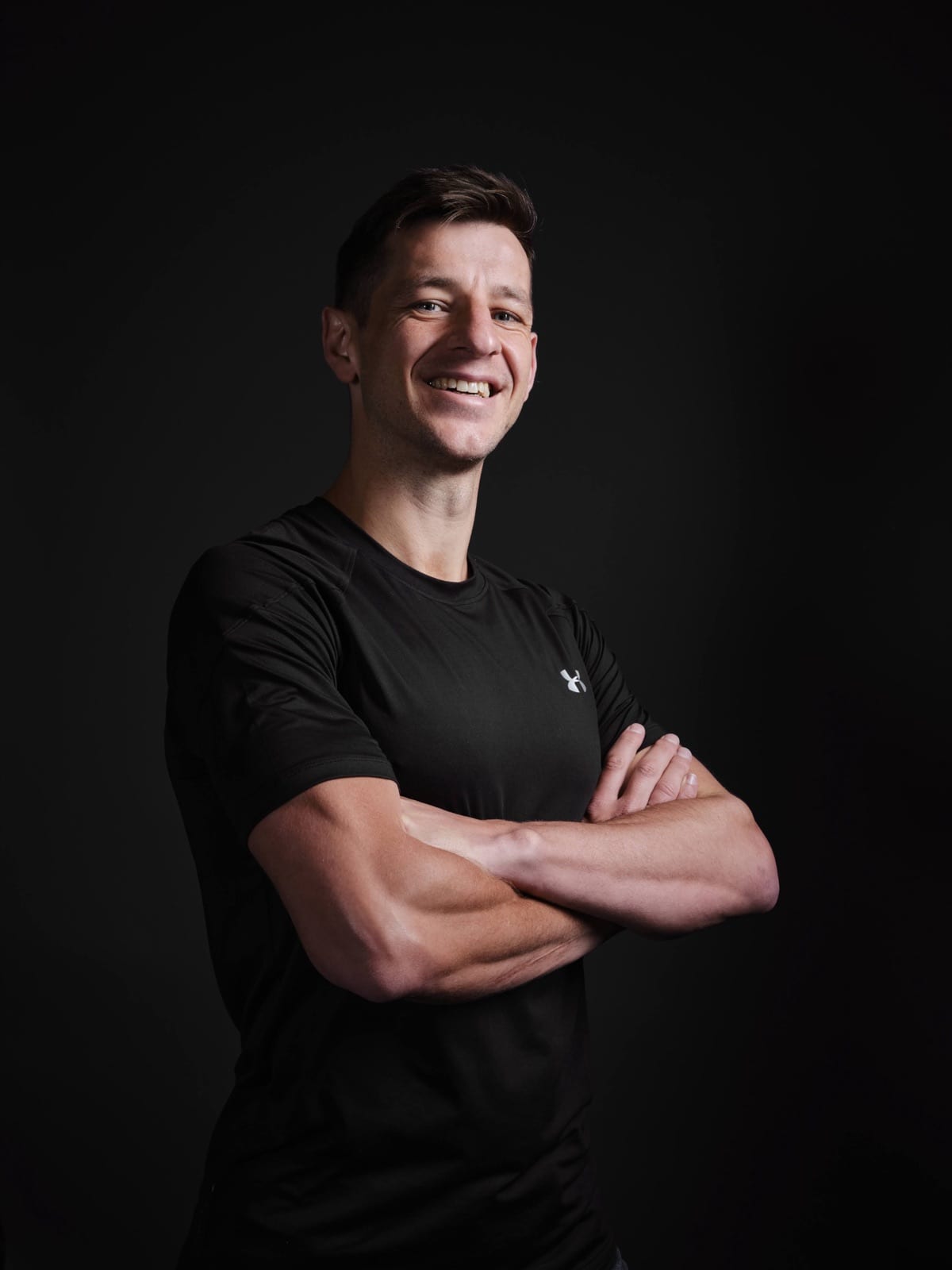


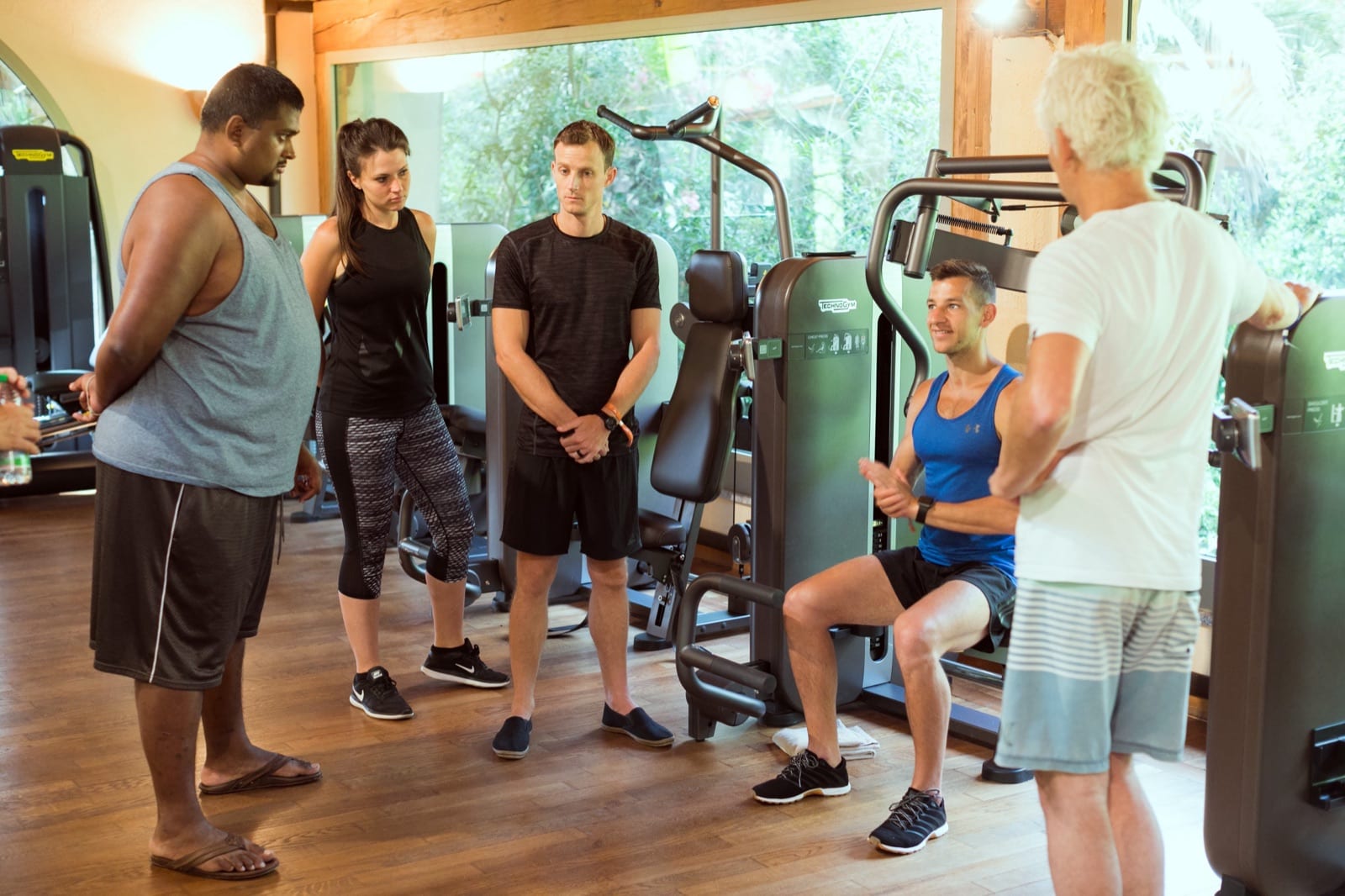


Sociological(Story)
- Born
- Lorenzo Delano7 December 1987 (age 38)Krugersdorp, South Africa
- Phenotype
- Blue eyes and brown hairAverage height (176 cm)
- Ancestry
- Western European (Dutch)
- Ethnicity
- Afrikaner
- Language
- Afrikaans; English; Mandarin
- Citizenship
- South African
Professional(Knowledge)
Psychological(Nature)
- Intelligence
- RIOT: Full-scale IQ 112
- Worldview
- Enlightenment humanist
- Personality
- HEXACO: Disciplined, honest, and curious
- Values
- PVQ: Autonomy, achievement, and universal-care
- Beliefs
- PWB: Good, safe, and improving
- Interests
- RIASEC: Investigative, artistic, and social
Your body decides how long your best years last.
Health refers to the three states of a body: integrity (how it’s built), balance (how it rests), and capacity (what it can do). Your health predicts your span: how many years you get, and how good they are.
Frame and bone are largely fixed; fat, muscle, blood, and fitness are not. Each is best measured in a lab: DEXA for structure, blood at rest, CPET at full effort. To master your health is to keep every marker in range, with a reserve to spare.
Integrity (Structure)
How your body is built is a function of frame (fixed) and composition (earned), the two best predictors of injury risk and metabolic health. Mine: leaner than 19 in 20 men, more muscle than 4 in 5, sound bone, a narrow waist.
I run leaner than 19 in 20 men, with minimal visceral fat
|
I carry more muscle than 4 in 5 men my age
|
My whole-body bone density is sound, near the age-matched average
|
My waist is well under half my height: low central-fat risk
|
Balance (Homeostasis)
How your body rests is a function of chemistry (modifiable) and circulation (trainable), the two best predictors of how it ages and what it can absorb. Mine: low lipids, sugar, and inflammation; clean liver and kidneys; a heart that idles low.
My lipids and inflammation sit at low-risk levels, with iron and oxygen transport in full supply
|
My blood sugar and insulin run low: a metabolism efficient even under load
|
My liver and kidneys clear at full function, unstressed
|
My heart idles low, opens a wide reserve, and recovers fast
|
Capacity (Performance)
What your body can do is a function of strength (built) and engine (built and inherited), the two best predictors of your independence late in life. Mine: a one-leg squat, a double-bodyweight pull, 60 kg overhead, top-decile oxygen uptake.
I squat on one leg, pull double bodyweight, and curl my own hamstrings
|
I hold my trunk rigid through levers, front and back
|
I pull 20 reps, dip 25, and press 60 kg overhead
|
I move my whole body fast, far, and under load
|
I take up oxygen in the top decile for my age, burning fat deep into effort
|
References (Data)
My data derived from tests performed under resting, fasted conditions
- Biochemistry: Phlebotomy (Jan 2026); tests for ApoB, HbA1c, fasting insulin, ferritin, hemoglobin, hs-CRP, eGFR, ALT, and uric acid (biochemistry & hematology) • report (Pathcare)
- Composition: Densitometry (May 2026); tests for height, total mass, ALMI, percent body fat, VAT, and bone density (Lunar iDXA) • report (Cape Radiology)
- Geometry: Anthropometry (Jan 2026); tests for waist circumference (Iliac Crest ‘NHANES’ method) • reading (tape)
- Circulation: Sphygmomanometry (Jan 2026); tests for blood pressure and resting heart rate (OMRON) • reading (monitor)
My data derived from tests performed under load
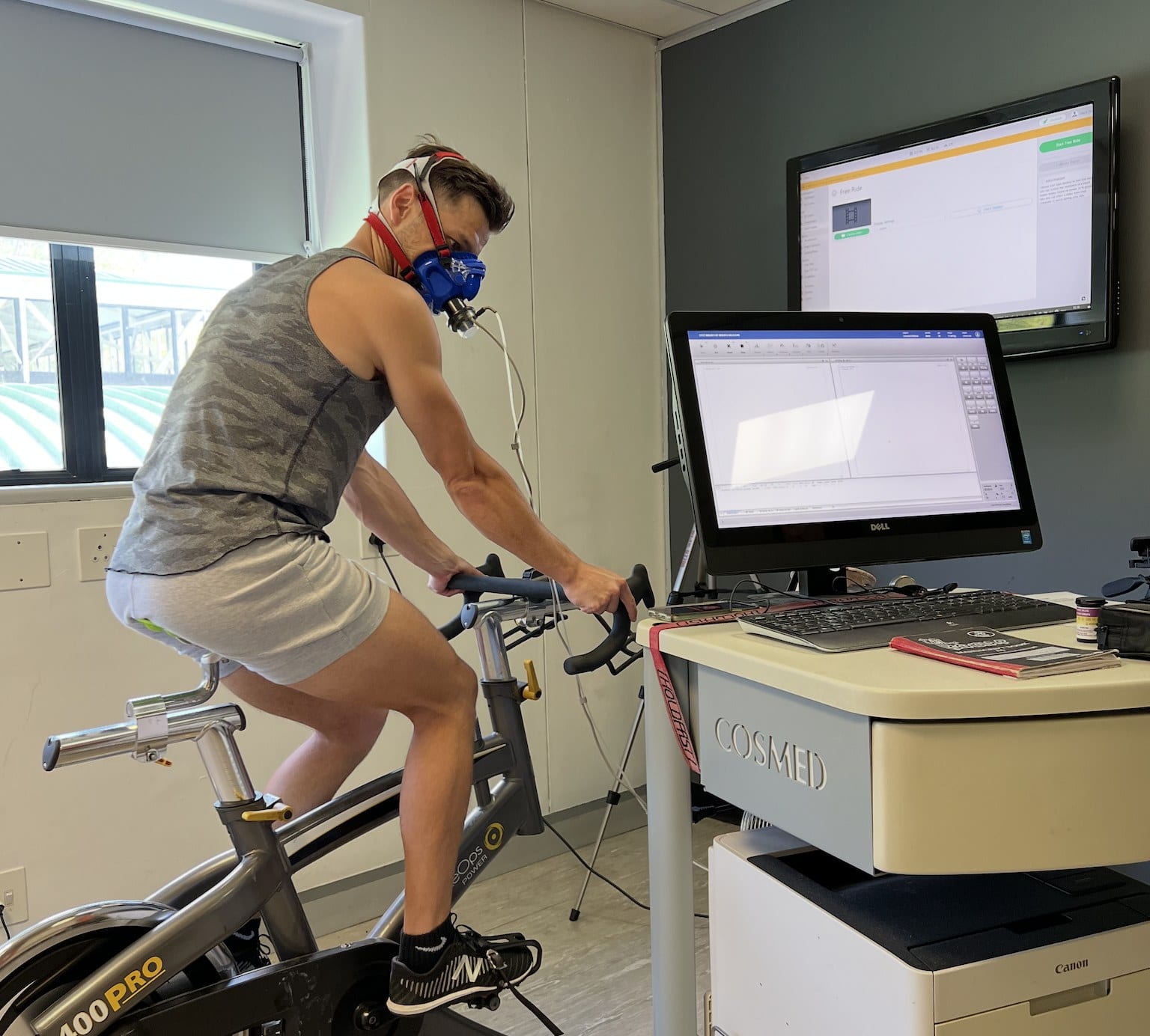
- Bioenergetics: Indirect calorimetry (Sep 2024); tests for VO₂max, peak power output, and maximum heart rate (Cosmed Quark CPET) • report (opens in a new tab) (Science2Sport)
- Lactate: Capillary prick (Sep 2024); tests for blood lactate (Nova Biomedical Lactate Plus) • reading (device)
- Heart rate: Electrocardiography (Jan 2026); tests for maximum heart rate and heart rate recovery (Polar H10) • reading (app)
- Biomechanics: Total-fitness battery (Jan 2026); tests for local hip, core, shoulder, and global functional capacity (multi-modal testing facility) • report (video)
References (Guidelines)
The studies informing my reference range targets for lifespan
- VO₂max: Mandsager, R., et al. (2018). Association of cardiorespiratory fitness with long-term mortality among adults undergoing exercise treadmill testing. JAMA Network Open, 1(6). PubMed (opens in a new tab)
- Blood pressure: Lewington, S., et al. (2002). Age-specific relevance of usual blood pressure to vascular mortality. Lancet, 360(9349). PubMed (opens in a new tab)
- ApoB: Sniderman, A. D., et al. (2019). Apolipoprotein B particles and cardiovascular disease: a narrative review. JAMA Cardiology, 4(12). PubMed (opens in a new tab)
- HbA1c: Selvin, E., et al. (2010). Glycated hemoglobin, diabetes, and cardiovascular risk in nondiabetic adults. New England Journal of Medicine, 362(9). PubMed (opens in a new tab)
- hs-CRP: Emerging Risk Factors Collaboration (2010). C-reactive protein concentration and risk of coronary heart disease, stroke, and mortality: an individual participant meta-analysis. The Lancet, 375(9709). PubMed (opens in a new tab)
- HR recovery: Cole, C. R., et al. (1999). Heart-rate recovery immediately after exercise as a predictor of mortality. New England Journal of Medicine, 341(18). PubMed (opens in a new tab)
- HR reserve: Lauer, M. S., et al. (1999). Impaired chronotropic response to exercise stress testing as a predictor of mortality. JAMA, 281(6). PubMed (opens in a new tab)
- ALMI: Cruz-Jentoft, A. J., et al. (2019). Sarcopenia: revised European consensus on definition and diagnosis (EWGSOP2). Age and Ageing, 48(1). PubMed (opens in a new tab)
- VAT: Britton, K. A., et al. (2013). Body fat distribution, incident cardiovascular disease, cancer, and all-cause mortality. Journal of the American College of Cardiology, 62(10). PubMed (opens in a new tab)
- Waist-to-height ratio: Ashwell, M., Gunn, P., and Gibson, S. (2012). Waist-to-height ratio is a better screening tool than waist circumference and BMI. Obesity Reviews, 13(3). PubMed (opens in a new tab)
- Bone density: Marshall, D., Johnell, O., and Wedel, H. (1996). Meta-analysis of how well measures of bone mineral density predict occurrence of osteoporotic fractures. BMJ, 312(7041). PubMed (opens in a new tab)
The sources informing my performance standards for healthspan
- Lower-body strength: Pistol squat and Nordic curl ladders from personal experience, benchmarked against GymnasticBodies (opens in a new tab), the sit-to-rise test (opens in a new tab), and ATG (opens in a new tab) standards
- Barbell strength: Deadlift, overhead press, and overhead squat ladders from personal experience, adapted from CrossFit (opens in a new tab) standards
- Upper-body strength: Weighted pull-up and chest dip ladders from personal experience, benchmarked against StrengthLevel (opens in a new tab) standards
- Core stability: Compression strength and tensegrity ladders from personal experience, benchmarked against FIG (opens in a new tab), MAG, and COP (opens in a new tab) standards
- Global power: Broad jump and sprint ladders from personal experience, benchmarked against ExRx (opens in a new tab), Top End Sports (opens in a new tab), and world-record marks