Network
Quick facts
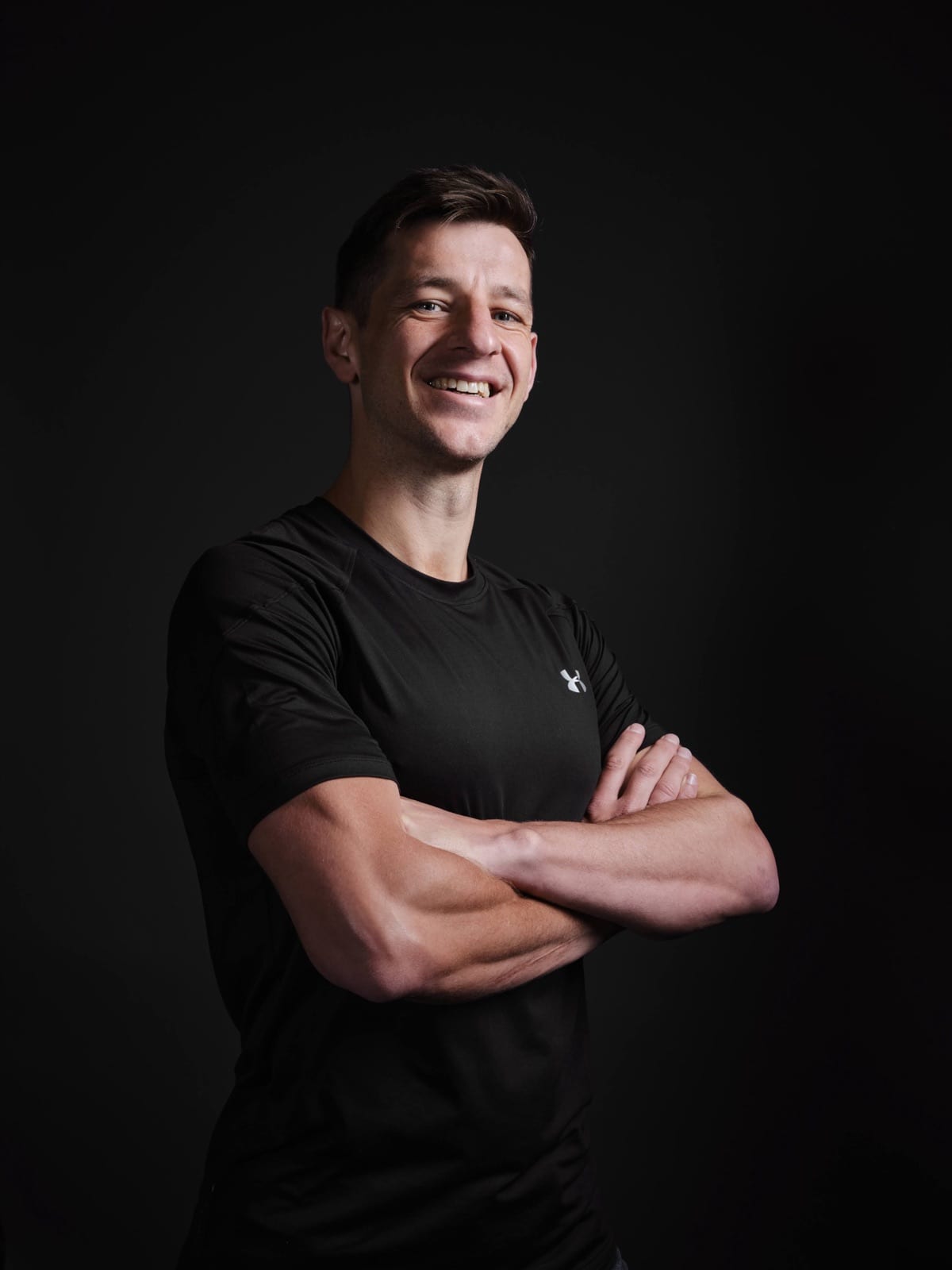


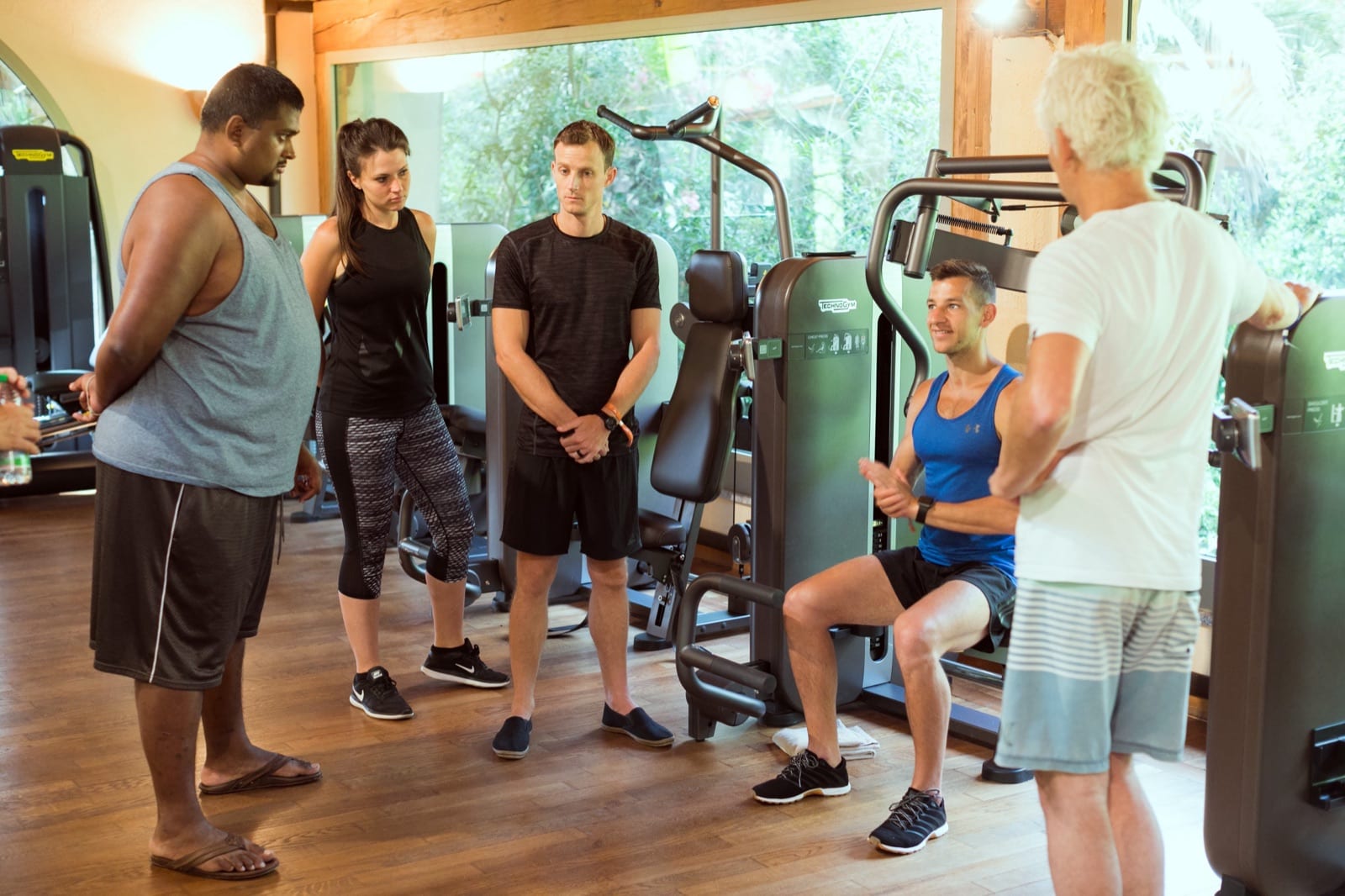



Sociological(Story)
- Born
- Lorenzo Delano7 December 1987 (age 38)Krugersdorp, South Africa
- Phenotype
- Blue eyes and brown hairAverage height (176 cm)
- Ancestry
- Western European (Dutch)
- Ethnicity
- Afrikaner
- Language
- Afrikaans; English; Mandarin
- Citizenship
- South African
Professional(Knowledge)
Psychological(Nature)
- Intelligence
- RIOT: Full-scale IQ 112
- Worldview
- Enlightenment humanist
- Personality
- HEXACO: Disciplined, honest, and curious
- Values
- PVQ: Autonomy, achievement, and universal-care
- Beliefs
- PWB: Good, safe, and improving
- Interests
- RIASEC: Investigative, artistic, and social
Your network carries your work farther than you can.
Network refers to the three directions of a relationship: care (who you lean on), collaboration (who you walk with), and contribution (who counts on you). Your network predicts your reach: what you can attempt.
Family is given; every other seat is chosen, hired, or earned. Each is best measured by a graded roster: four A’s for people, three C’s for services, open seats listed. To master your network is to fill each seat to the standard it deserves, and hold it.
Care (Support)
Who you lean on is a function of family (given) and professionals (hired), the two best predictors of how far you reach and how fast you recover. Mine: care I call on rather than schedule, and one hired seat per capital, one advisor for all.
The care I call on rather than schedule
|
My hours bought back, my home kept, my body groomed
|
My clinicians, from the first call to the annual scan
|
Instruction on demand, from one tutor to many shelves
|
One firm reads the whole balance sheet, personal and corporate in one conversation
|
Collaboration (Exchange)
Who you walk beside is a function of companions (chosen) and partners (aligned), the two best predictors of your pace and who you become. Mine: the people I share life with, practitioners past baseline, minds I trade with, builders beside me.
The people I share life with, the one tier of the map that is the point rather than a means
|
The professionals pushing me past baseline in behavior, technique, and program
|
The minds I trade with, wisdom shared rather than bought
|
The people building alongside me, stakes aligned
|
Contribution (Service)
Who counts on you is a function of dependents (personal) and receivers (professional), the two best predictors of what your work is for and how it pays. Mine: the people my work is for, the learners downstream, those who turn it into income.
The people my work is finally for, holding first claim on what I build
|
The learners downstream of what I know
|
The people who turn my output into income, theirs and mine
|
References (Data)
My standing providers from care and collaboration, recommended by use
- Assistant: Claude (2025–present); researcher, analyst, editor, tutor, and sounding board, the roles it holds across this page • LLM (Anthropic (opens in a new tab))
- Dentist: Dr. JJ Serfontein (2023–2026); examination, hygiene, and dental work under one roof • dentistry (JJS Dentistry (opens in a new tab))
- Psychologist: Dr. John Demartini (2023–present); values work and emotional and mental mastery, systematized rather than essayed • human behavior (Demartini Institute (opens in a new tab))
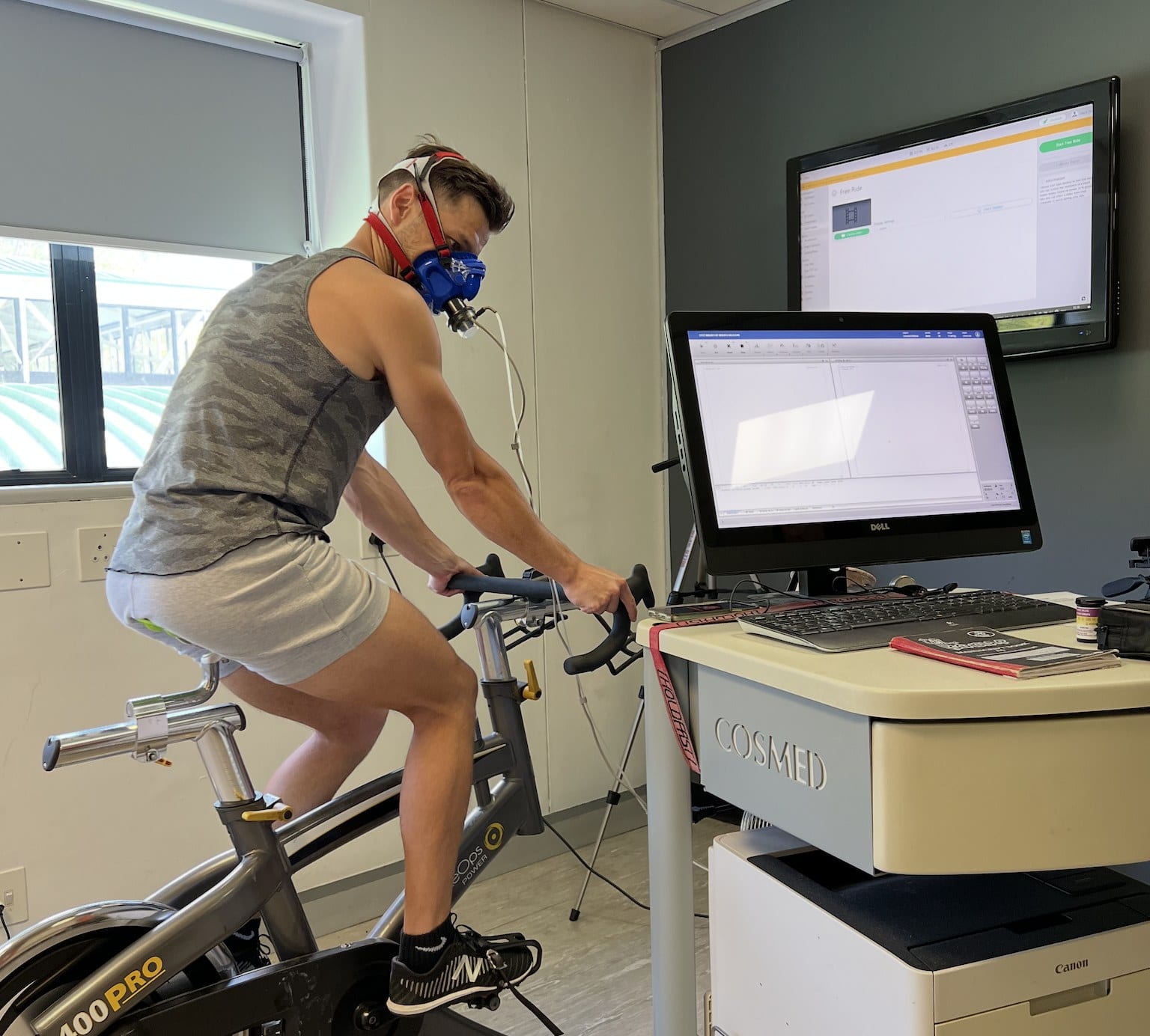
- Physiologist: Reece McDonald (2023–present); CPET, lactate, and performance testing on repeatable protocols • exercise physiology (Science2Sport (opens in a new tab), SSISA)
- Virtual mentors: Top-60 YouTube Resources (2025); the curated faculty and guidelines for continuous self-education • presentation (YouTube (opens in a new tab))
- Coach: Jelena Lakic (2018–present); behavior, accountability, and health strategy, in person and virtual • health coaching (jelenalakic.com (opens in a new tab))
- Instructor: Brad Openshaw (2011–present); strength and movement instruction, the standard the self-sufficiency was built on • personal training (MoveFreely (opens in a new tab))
References (Guidelines)
The meta-analyses informing my benchmarks
- Survival: Holt-Lunstad, J., Smith, T. B., and Layton, J. B. (2010). Social relationships and mortality risk: a meta-analytic review. PLoS Medicine, 7(7). DOI (opens in a new tab)
- Grandparents: Sear, R., and Mace, R. (2008). Who keeps children alive? A review of the effects of kin on child survival. Evolution and Human Behavior, 29(1). DOI (opens in a new tab)
- Screening: Krogsbøll, L. T., Jørgensen, K. J., and Gøtzsche, P. C. (2019). General health checks in adults for reducing morbidity and mortality from disease. Cochrane Database of Systematic Reviews, 1. DOI (opens in a new tab)
- Pets: Kramer, C. K., Mehmood, S., and Suen, R. S. (2019). Dog ownership and survival: a systematic review and meta-analysis. Circulation: Cardiovascular Quality and Outcomes, 12(10). DOI (opens in a new tab)
- Coaching: Jones, R. J., Woods, S. A., and Guillaume, Y. R. F. (2016). The effectiveness of workplace coaching: a meta-analysis of learning and performance outcomes from coaching. Journal of Occupational and Organizational Psychology, 89(2). DOI (opens in a new tab)
The randomized experiments informing my benchmarks
- Neighborhoods: Chetty, R., Hendren, N., and Katz, L. F. (2016). The effects of exposure to better neighborhoods on children: new evidence from the Moving to Opportunity experiment. American Economic Review, 106(4). AEA (opens in a new tab)
- Time: Whillans, A. V., et al. (2017). Buying time promotes happiness. Proceedings of the National Academy of Sciences, 114(32). DOI (opens in a new tab)
- Giving: Dunn, E. W., Aknin, L. B., and Norton, M. I. (2008). Spending money on others promotes happiness. Science, 319(5870). DOI (opens in a new tab)
- Luck: Salganik, M. J., Dodds, P. S., and Watts, D. J. (2006). Experimental study of inequality and unpredictability in an artificial cultural market. Science, 311(5762). DOI (opens in a new tab)
- Exemplars: Lockwood, P., and Kunda, Z. (1997). Superstars and me: predicting the impact of role models on the self. Journal of Personality and Social Psychology, 73(1). DOI (opens in a new tab)
The administrative and historical records informing my benchmarks
- Place: Chetty, R., et al. (2014). Where is the land of opportunity? The geography of intergenerational mobility in the United States. Quarterly Journal of Economics, 129(4). NBER (opens in a new tab)
- Connection: Chetty, R., et al. (2022). Social capital I: measurement and associations with economic mobility. Nature, 608(7921). DOI (opens in a new tab)
- Clinicians: Basu, S., et al. (2019). Association of primary care physician supply with population mortality in the United States, 2005–2015. JAMA Internal Medicine, 179(4). DOI (opens in a new tab)
- Schooling: Coleman, J. S., et al. (1966). Equality of Educational Opportunity. United States Government Printing Office. ERIC (opens in a new tab)
- Founders: Azoulay, P., et al. (2020). Age and high-growth entrepreneurship. American Economic Review: Insights, 2(1). DOI (opens in a new tab)
- Teams: Wu, L., Wang, D., and Evans, J. A. (2019). Large teams develop and small teams disrupt science and technology. Nature, 566(7744). DOI (opens in a new tab)
- Word of mouth: Trusov, M., Bucklin, R. E., and Pauwels, K. (2009). Effects of word-of-mouth versus traditional marketing: findings from an internet social networking site. Journal of Marketing, 73(5). DOI (opens in a new tab)
- Investors: Sørensen, M. (2007). How smart is smart money? A two-sided matching model of venture capital. Journal of Finance, 62(6). DOI (opens in a new tab)
The cohorts and field studies informing my benchmarks
- Status: Marmot, M. G., et al. (1991). Health inequalities among British civil servants: the Whitehall II study. Lancet, 337(8754). PubMed (opens in a new tab)
- Ties: Granovetter, M. S. (1973). The strength of weak ties. American Journal of Sociology, 78(6). DOI (opens in a new tab)
- Size: Hill, R. A., and Dunbar, R. I. M. (2003). Social network size in humans. Human Nature, 14(1). DOI (opens in a new tab)
- Capacity: Dunbar, R. I. M. (1992). Neocortex size as a constraint on group size in primates. Journal of Human Evolution, 22(6). DOI (opens in a new tab)
- Parents: McLanahan, S., and Sandefur, G. (1994). Growing Up with a Single Parent: What Hurts, What Helps. Harvard University Press. ERIC (opens in a new tab)
- Friends: Christakis, N. A., and Fowler, J. H. (2007). The spread of obesity in a large social network over 32 years. New England Journal of Medicine, 357(4). DOI (opens in a new tab)
- Partners: Waldinger, R. J., and Schulz, M. S. (2010). What’s love got to do with it? Social functioning, perceived health, and daily happiness in married octogenarians. Psychology and Aging, 25(2). DOI (opens in a new tab)
- Communities: Li, S., et al. (2016). Association of religious service attendance with mortality among women. JAMA Internal Medicine, 176(6). DOI (opens in a new tab)
- Rivals: Kilduff, G. J. (2014). Driven to win: rivalry, motivation, and performance. Social Psychological and Personality Science, 5(8). DOI (opens in a new tab)
- Brokerage: Burt, R. S. (2004). Structural holes and good ideas. American Journal of Sociology, 110(2). DOI (opens in a new tab)
- Caregiving: Schulz, R., and Beach, S. R. (1999). Caregiving as a risk factor for mortality: the Caregiver Health Effects Study. JAMA, 282(23). DOI (opens in a new tab)
- Credentials: Altonji, J. G., and Zhong, L. (2021). The labor market returns to advanced degrees. Journal of Labor Economics, 39(2). DOI (opens in a new tab)